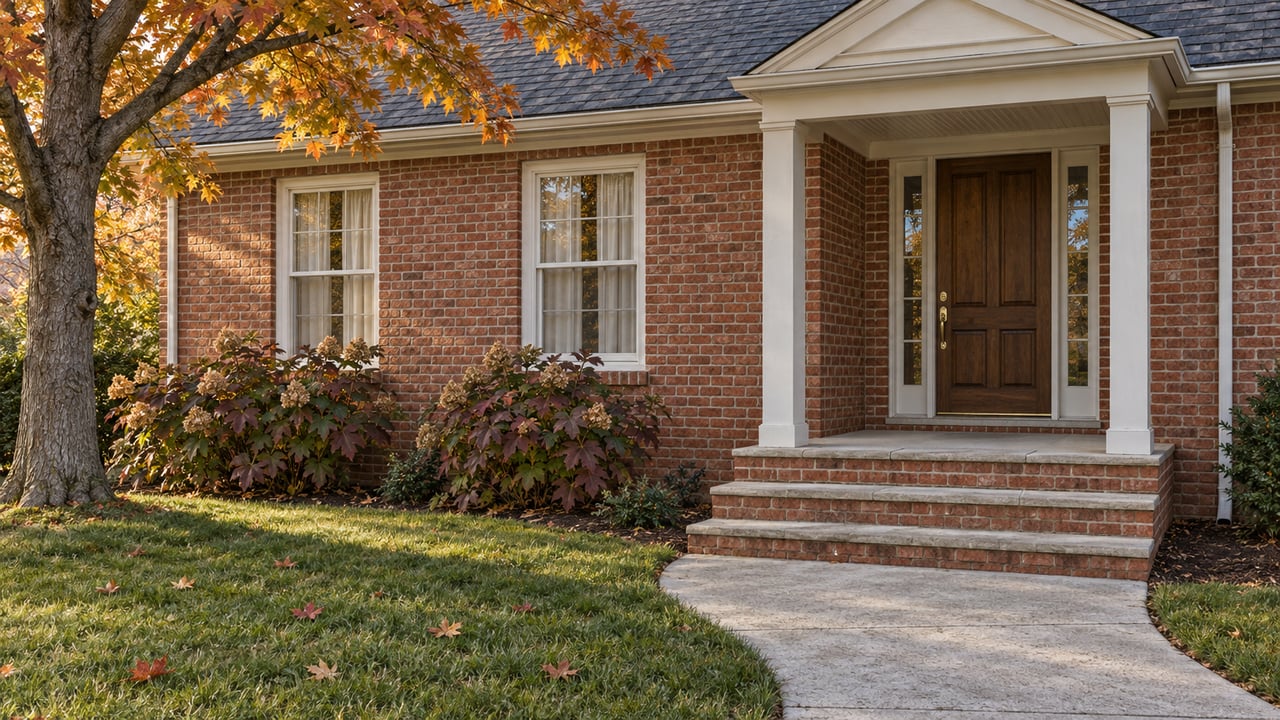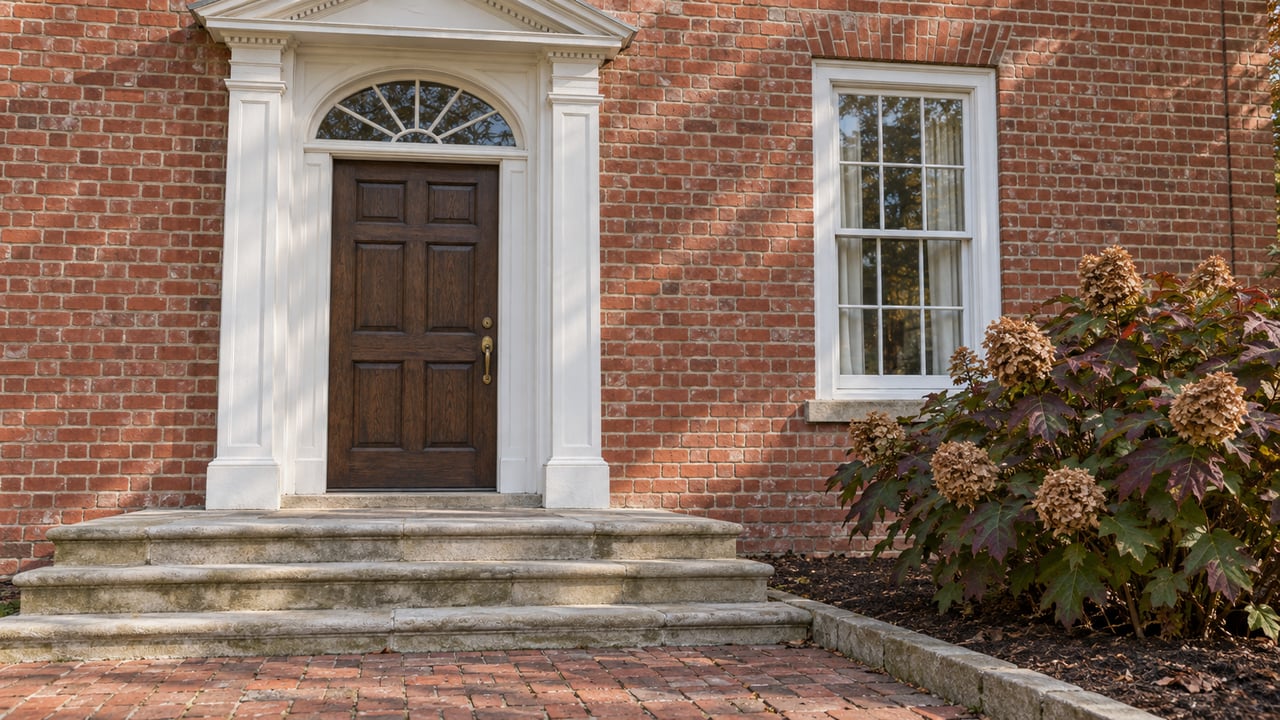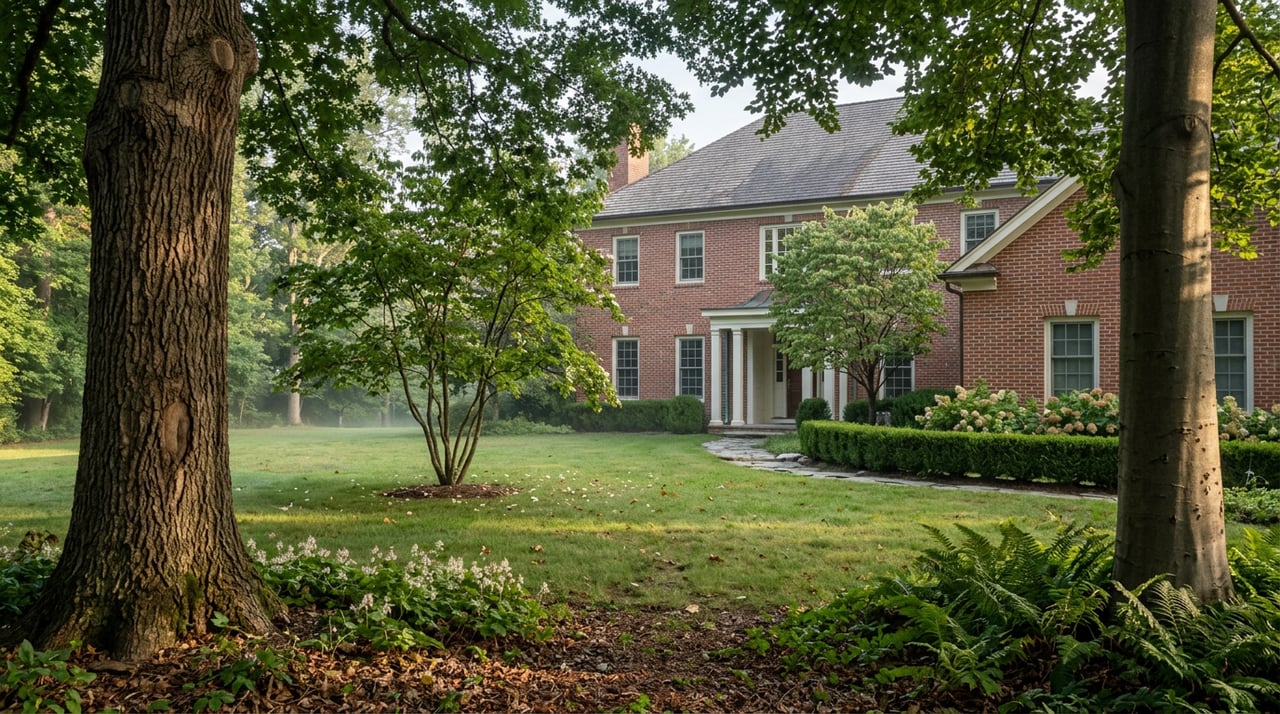
Oak Hill covers eight square miles and holds about 1,800 homes, roughly 4,700 people spread across large, tree-shaded lots. There is no grocery store inside the city limits. No coffee shop, no restaurant, no strip of storefronts to walk to. The city's own government page says it plainly: Oak Hill is completely residential, home to fifteen churches, the Tennessee Governor's Residence, and one enormous piece of undeveloped land that does the civic work everything else in this list can't. That land is Radnor Lake State Park, and this past winter, for the better part of five weeks, it was closed.
For Oak Hill, the closure meant losing access to a major shared outdoor space.
What the Ice Storm Actually Took
The storm hit in late January, part of a wider system that knocked down trees and power lines across Middle Tennessee, including nearby Forest Hills, where crews found downed trees and poles littering Granny White Pike. Inside Radnor Lake, the damage was worse. Park manager Steve Ward described it in blunt terms once he'd seen it firsthand.
"Nature is hard at times," Ward said, as reported by NewsChannel 5.
What started as hundreds of downed trees the first day reportedly quadrupled by the second, as high winds brought down more of the ice-laden canopy. Ward has managed this park long enough to have a reference point, and the one he reached for wasn't another storm. He said he hadn't seen the park this torn up since the 2010 flood, the same flood that had already undermined sections of Otter Creek Road badly enough to force a repair project years later.
The numbers that came out of the cleanup put the scale in perspective. Radnor Lake has 7.75 miles of hiking trail total. More than seven of those miles sat blocked by downed trees and debris, according to park officials in mid-February, across more than 1,300 acres of forest and lakefront. That's not a damaged trail here or there. That's most of the park, made briefly unwalkable, all at once.
The Cleanup Ran on Volunteers, Not Just Contractors
Friends of Radnor Lake, the nonprofit partner that has supported the park for decades, put out a call in mid-February for 240 volunteers to help rangers and outside chainsaw crews clear the debris. Six workdays were scheduled, the first on Saturday, February 21. Volunteers who showed up got tools, a meal, and a thank-you T-shirt for their trouble.
The first Saturday drew 45 people. The following Monday brought 33 more, working on the access trail, the East Parking Lot, and rehabilitating the South Lake Trail. Ward called the effort a model of public-private partnership, and there's something to that framing beyond the press-release language. The cleanup brought together park staff, outside crews, and neighbors.
Ward connected the cleanup to something bigger than trail maintenance:
"People need places like Radnor Lake to escape," Ward said, as reported by WKRN.
He tied that directly to the broader recovery Middle Tennessee was working through after the ice storm, calling the park's reopening part of the region's healing process.
Radnor Lake Reopens
Officials had originally floated a reopening sometime in the first half of March, conditions permitting. By late February, park officials announced the park would reopen in the first days of March, within that original estimate. The cleanup involved volunteer labor organized by a nonprofit, rangers, outside chainsaw crews, and community members who showed up in large numbers.
For Oak Hill, the reopening restored access to Radnor Lake.
The Eagles Had Already Survived One Storm
Layered into the same recovery story is the eagles’ experience of two disasters.
In January 2022, Tennessee wildlife officials announced that a pair of bald eagles had built a nest at Radnor Lake, the first native nesting pair in the park's recorded history, the closest active nest to the State Capitol, and only the fourth registered nest in all of Davidson County. That May, high winds destroyed the nest outright. The pair lost one of two eaglets. Rangers and volunteers built a temporary platform nearby within days, and the parents raised the surviving eaglet to its first flight.
The pair came back. In 2023, two eaglets hatched, and overnight storms thirteen days later left both chicks and both adults fine, according to an update from Friends of Radnor Lake. In 2025, a fledgling eaglet took its long-awaited first flight after eleven weeks in the nest, drawing crowds to the observation deck each morning to watch. Weeks later, she was found injured, treated at a raptor rehabilitation center in East Tennessee, and did not survive.
Then came the winter storm, the one that quadrupled its damage overnight and shut down most of the park's trail system. Friends of Radnor Lake reported that despite the destruction across the property, the resident pair's nest held, and new eggs were already in it.
Four seasons, one nest destroyed by weather, one fatal injury, and the eagles are still building in the same tree. The park around them just went through its own version of the same test and came out the other side.
What This Means for Anyone Walking These Trails Now
The park reopened with its full 7.75 miles of trail eventually restored, though the two main access points, an East lot off Franklin Road and a West lot off Granny White Pike, still fill fast on clear days, with cars sometimes backing up along Otter Creek Road while people wait for a space. That congestion isn't new; the park reportedly draws well over a million visitors a year.
The Walter Criley Visitor Center and the Barbara J. Mapp Aviary Education Center, home to non-releasable birds of prey including bald eagles that can't return to the wild, are both back on their normal schedules. Pets, jogging, and bicycles remain limited to the paved Otter Creek Road trail, the same rule that's been in place for years, storm or no storm.
Radnor Lake is a major outdoor space in Oak Hill, and the five-week closure temporarily kept the park inaccessible to visitors. What came back was the same park, largely intact, and a nest that has now weathered enough Middle Tennessee weather to make its long-term tenants look less like visiting wildlife and more like permanent residents who happen to have wings.
If you're weighing what it actually means to live inside Oak Hill, from the neighborhood's character to its housing stock, Bainbridge Realty Group has spent decades getting to know streets like these one client at a time. Start Your Journey with a team that already knows what makes this part of Nashville different.