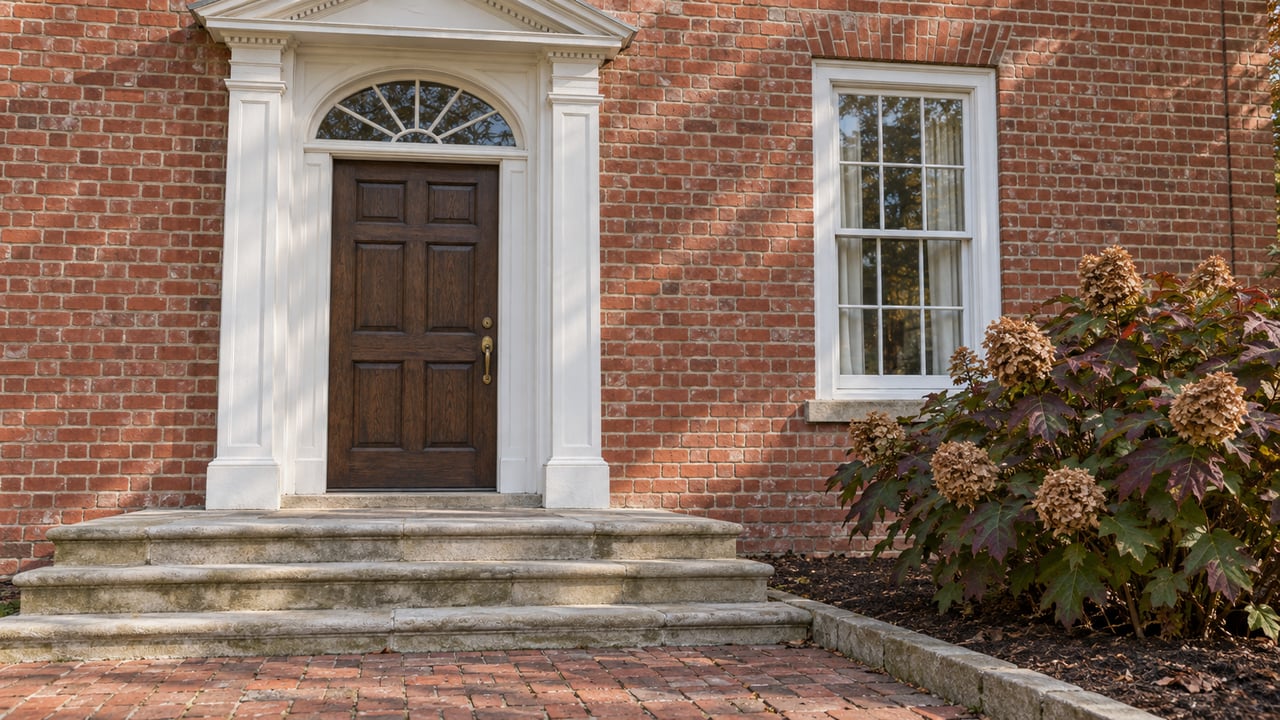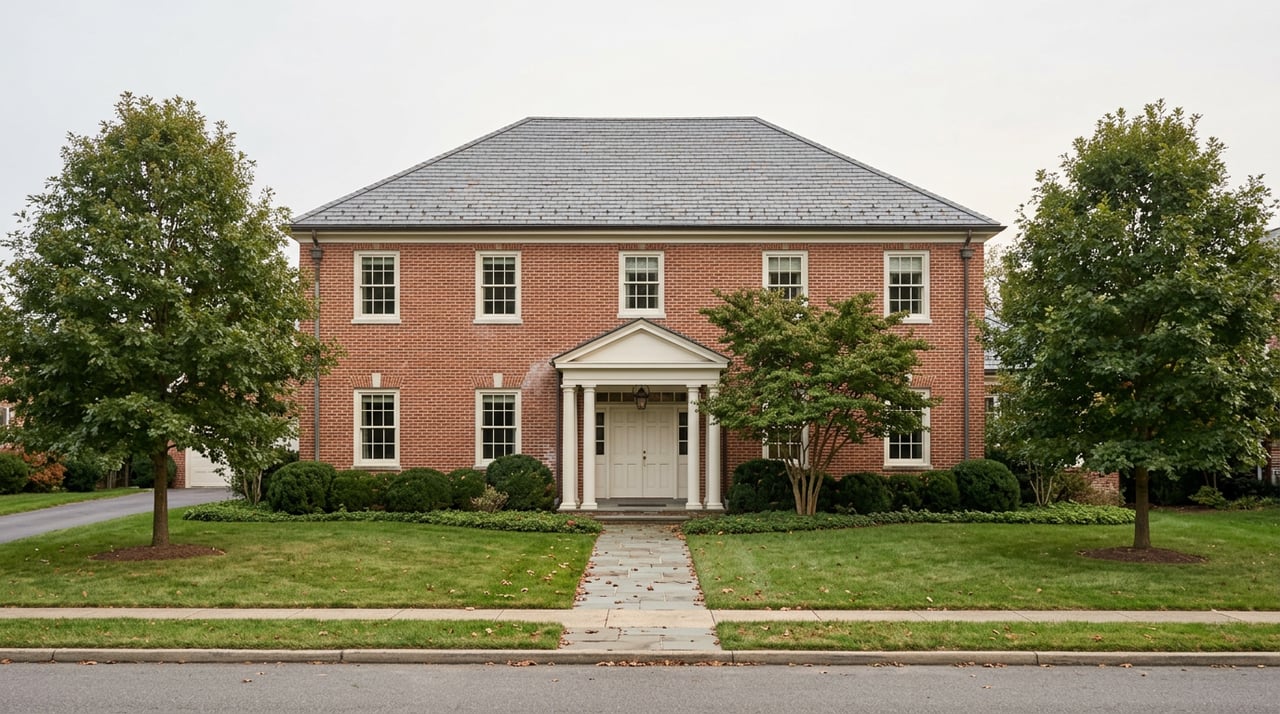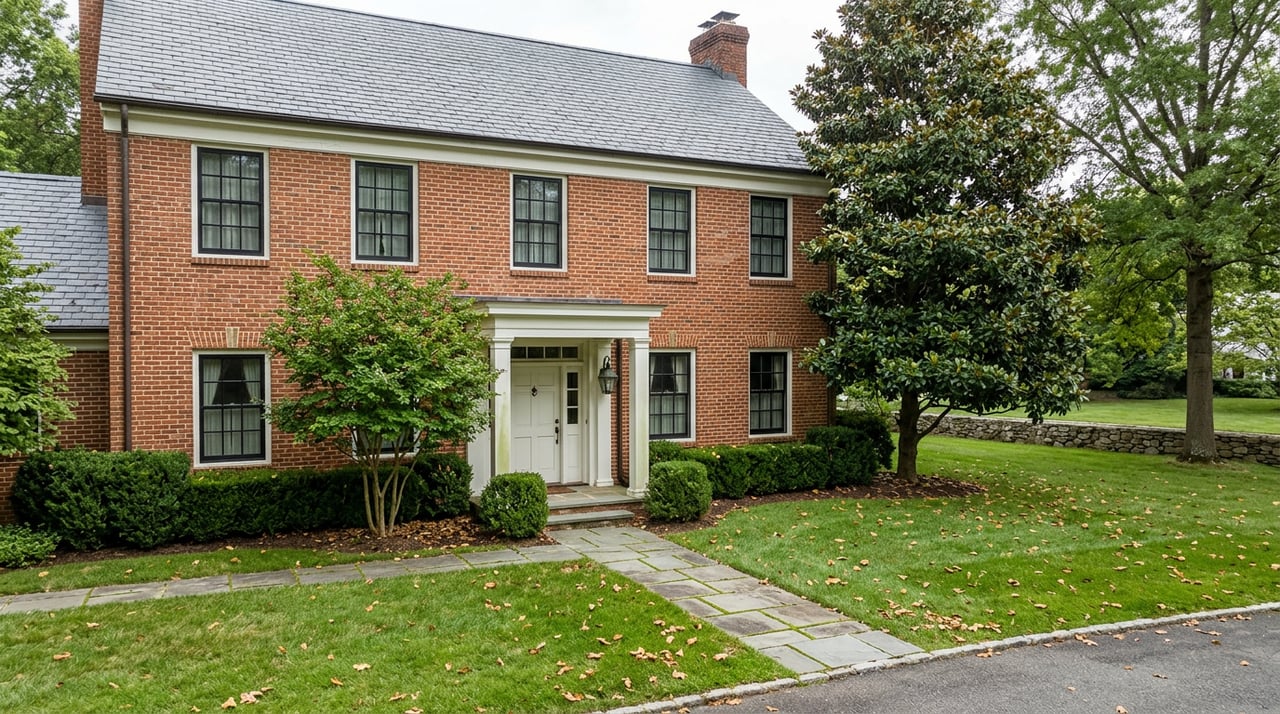
A Belmont-Hillsboro listing that hit the market this September carries a line most buyers skim past: the property comes already approved by Metro for an 850-square-foot detached accessory dwelling. That single sentence is worth more than the square footage suggests, because it signals the seller has already cleared a hurdle that the buyer would otherwise have to clear themselves.
Nine months earlier, Metro Council rewrote the city's accessory dwelling rules. Ordinance BL2025-1007 took effect on December 12, 2025, and made detached accessory dwelling units, known locally as DADUs, a base-code use permitted with conditions across most single-family and residential zones inside Nashville's Urban Services District. The old prerequisites (a special DADU overlay vote, a minimum lot size, proven alley access) were stripped out for properties in that district. Read the headline version of that change and you'd assume backyard cottages just got easier to build almost everywhere in the city.
Belmont-Hillsboro sits inside its own Neighborhood Conservation Zoning Overlay, and that overlay runs a separate approval track that the December ordinance did not touch. For a homeowner or buyer weighing a guest house, in-law suite, or income unit on a Belmont-Hillsboro lot, the citywide reform is real but it is not the whole story.
What the City Actually Changed
Before December 2025, a DADU in most of Nashville needed the property to sit inside a designated DADU overlay district, an overlay that required a Metro Council vote, typically initiated by a neighborhood petition. The new base-code rule removed that requirement for properties inside the Urban Services District, along with the old 15,000-square-foot minimum lot size and the requirement for rear alley access.
The size caps that came out of the final legislative process are worth double-checking directly with Metro Planning before anyone commissions drawings. Different summaries of the ordinance report different numbers, some describing an 850-square-foot cap on lots under 10,000 square feet and 1,200 square feet on larger lots, others describing a lower amendment that set 700 square feet and 850 square feet respectively. The discrepancy itself is a useful reminder: a rule this new, changed this recently, is still settling into public understanding, and the version repeated on a general contractor's blog is not a substitute for the current zoning table on file with Metro Codes.
What is consistent across every source is the structural change. DADUs are no longer gated behind a neighborhood-by-neighborhood overlay vote in the Urban Services District. That is a real loosening, and it matters for a lot of Nashville.
Why the Overlay Still Has the Final Word
Belmont-Hillsboro's Neighborhood Conservation Zoning Overlay predates the DADU reform by two decades. Metro Council passed it in 2005, covering roughly 800 properties, then expanded it in 2007 and again in 2012 to bring the protected total to somewhere near 1,100 structures. The overlay exists to keep new construction and additions in scale with the neighborhood's early-1900s architecture, and it applies on top of whatever the base zoning allows, not instead of it.
That layering is the part a citywide headline can't capture. Metro's own guidance on building a DADU is direct about this: if a property sits inside a Neighborhood Conservation Overlay or a Historic Preservation Overlay, the applicant is instructed to contact the Metropolitan Historic Zoning Commission separately to find out what additional regulations apply, regardless of what the base zoning permits. The base-code reform changes whether a DADU is allowed. It does not change whether the Historic Zoning Commission gets to review how it looks.
That review requires its own preservation permit, a step that exists in addition to the standard building permit, and it comes with its own recorded paperwork. Before a preservation or building permit can be issued for a Belmont-Hillsboro DADU, the property owner has to record a restrictive covenant with the Davidson County Register of Deeds confirming the unit is accessory to the main house and will be used under the conditions the ordinance requires. That covenant runs with the land. It's not a formality a buyer can skip past at closing.
What the Commission Actually Asks For
The design guidelines are not abstract. A September 2024 case before the Metropolitan Historic Zoning Commission, an application from Allard Ward Architecture for infill and an outbuilding on a Belmont-Hillsboro property, shows what the review actually looks like in practice. Staff recommended approval with specific conditions: the finished floor height had to match the finished floor heights of adjacent historic houses, verified in the field by the commission. Every masonry sample, window, door, roof shingle color, and walkway material needed commission approval before installation. The HVAC equipment had to sit behind the house or to the side, beyond the building's midpoint, with utility meters kept off the street-facing elevation. The motion passed unanimously, which is typical when an applicant has already worked the design through with staff before the hearing.
None of those conditions have anything to do with whether the base zoning code allows a DADU on the lot. They are about how the structure reads from the public right-of-way, which is the only part of a project the overlay actually reviews. Work that can't be seen from the street, interior renovations, most rear-yard changes below a certain threshold, generally falls outside the commission's jurisdiction. New construction, additions that expand a building's footprint or height, demolition, and relocation are what triggers the preservation permit requirement.
Two Rulebooks, One Lot
| Citywide base code (since December 2025) | Belmont-Hillsboro NCZO (unchanged) | |
|---|---|---|
| Special overlay required to build | No, if the lot sits in the Urban Services District | The historic overlay already exists, but it doesn't itself grant DADU rights |
| Alley access | No longer required | Not addressed by the overlay; a base-zoning question |
| Who reviews the application | Metro Codes zoning examiner | Metropolitan Historic Zoning Commission, staff or full commission |
| What gets reviewed | Setbacks, footprint, height, permitted use | Exterior materials, mass and height relative to the main house, visibility from the street |
| Additional filing before a permit issues | Standard permit application | Preservation permit application plus a restrictive covenant recorded with the Register of Deeds |
The left column got faster and less restrictive in December. The right column is the same process it was in 2005, and it runs independently of anything the base code says.
What This Means for a Buyer or Seller Weighing a Guest House
The market has already started pricing this distinction. Belmont-Hillsboro listings this fall include homes marketed specifically around an already-approved or already-built DADU, sometimes as a fully independent apartment with its own kitchen and bath, sometimes as a walk-out basement studio with a separate entrance. As of September 2026, active listings in the neighborhood's million-to-two-million-dollar range averaged roughly $490 per square foot on homes averaging around 3,371 square feet, and a completed, permitted accessory unit is one of the few features in that range that functions as both livable space and documented certainty.
For a buyer picturing a guest house for aging parents, a home office separate from the main house, or a long-term rental unit, the practical takeaway is to separate two questions before making an offer: does the base zoning allow a DADU on this lot at all, and separately, has this specific design already cleared the Historic Zoning Commission, or will it need to. A lot that qualifies under the new base code but has never been through MHZC review is not the same purchase as a lot with an approved preservation permit already on file.
For a seller with a longtime or inherited Belmont-Hillsboro property, the same distinction cuts the other way. An apartment over the garage that a previous owner built without pulling permits, common in homes that changed hands multiple times since the postwar rental-conversion era the neighborhood went through, can turn into a disclosure question at the point of sale rather than a selling point. Confirming permit history before listing, not after an inspection raises it, is the kind of preparation that keeps a family transaction moving instead of stalling in escrow.
A Few Questions Worth Asking Before You Design Anything
Does the December 2025 ordinance apply to my Belmont-Hillsboro lot at all? Only if the property sits within Nashville's Urban Services District and the base zoning classification permits a DADU with conditions. The historic overlay doesn't change that eligibility question one way or the other; it adds a second review on top of it.
Can I get a DADU approved without changing how the house looks from the street? That's the fastest path through MHZC review, since work invisible from the public right-of-way generally falls outside the commission's jurisdiction. A detached structure in a backyard, visible from the street or an adjoining alley, is a different conversation than one tucked behind an existing garage.
What if the DADU or apartment was built before I owned the house, without permits? That's worth resolving before listing, not after. An unpermitted structure can affect financing, insurance, and buyer confidence at the inspection stage, and the fix usually starts with pulling the property's permit history from Metro Codes rather than guessing.
Belmont-Hillsboro's charm has always come from the fact that its houses look like they did a century ago. That's also exactly why the neighborhood's approval process moves on a different clock than the rest of the city, no matter what Metro Council changes downtown.
If you're weighing a guest house, an inherited property with unclear permit history, or a Belmont-Hillsboro purchase where the DADU math actually matters, Bainbridge Realty Group can walk through what a specific lot and a specific house can actually support before you commission a single drawing.